Our Short List of 3
All 3 Picks at a Glance
| Product | Specs | Action |
|---|---|---|
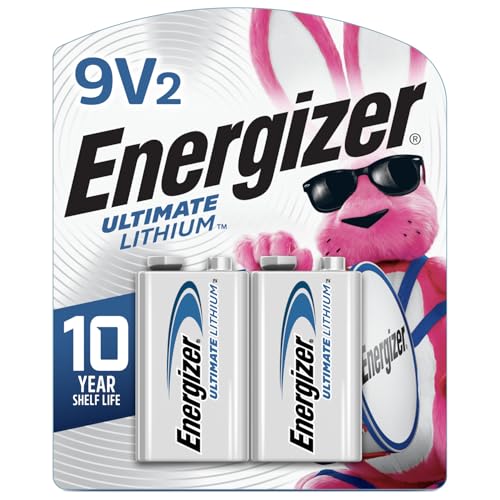 1. Energizer Ultimate Lithium 9V Batteries, 2-Pack | Check price on Amazon | |
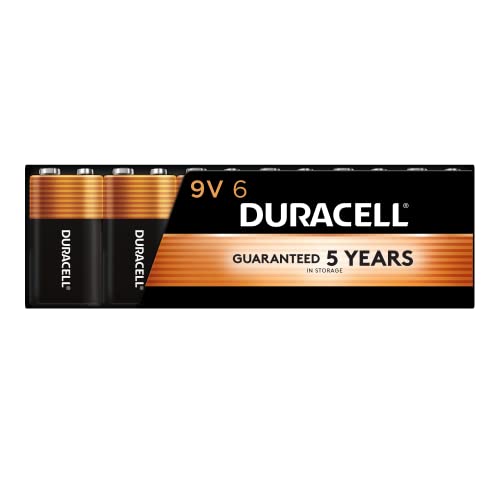 2. Duracell Coppertop 9V Battery, 6-Count | Check price on Amazon | |
 3. Amazon Basics 4-Pack 9V Alkaline Batteries | Check price on Amazon |
Key takeaways
- How long does a 9V battery last in smoke detector use? Alkaline lasts about a year in a battery-only alarm; lithium can back up a hardwired alarm for years.
Disclosure: As an Amazon Associate, this site may earn from qualifying purchases made through links on this page.
Intro
How long does a 9V battery last in a smoke detector? The honest answer is that it depends on the alarm and the cell: an alkaline 9V lasts about a year in a battery-only alarm, while a lithium 9V can serve as a backup cell in a hardwired alarm for many years. The two numbers describe two different jobs, and mixing them up is the most common mistake in this category.
A battery-only smoke alarm runs entirely on its 9V cell, drawing a tiny current day and night and a much larger current when it sounds. That steady drain empties an alkaline cell in roughly a year, which is why most alarm makers tell owners to swap the cell once a year. A hardwired alarm, by contrast, runs on household power and only leans on its 9V cell during a power outage, so the backup cell can sit for years with almost no drain, and a lithium cell with a ten-year storage figure is the natural fit for that job.
The chemistry of the cell decides which of those two jobs it suits. Alkaline 9V cells are the standard choice for battery-only alarms: they are widely available, they match the battery list printed on most alarms, and their five-year storage figure makes them easy to keep as spares. Lithium 9V cells hold more energy, keep their voltage steady, work across a wide temperature range, and carry a storage figure of up to ten years, which suits hardwired alarms and alarms in cold or hard-to-reach places. The catch is that some alarm makers do not approve lithium cells, so the battery list printed on the alarm itself is the final word, not the battery box.
This guide answers the question in full: how long each chemistry lasts in each kind of alarm, what shortens that life, how to read the low-battery chirp, and which 9V cells to buy for each situation. The four picks below are all 9V cells whose listings name smoke alarms or smoke detectors among their intended uses, and they cover both chemistries and both alarm types.
At a Glance
- An alkaline 9V lasts about a year in a battery-only smoke alarm, and most alarm makers tell owners to swap it once a year.
- A lithium 9V can back up a hardwired alarm for years, with a storage figure of up to ten years on the listing.
- The alarm’s printed battery list decides which chemistry you may use: some alarm makers do not approve lithium cells, so check the alarm before you buy.
- The low-battery chirp means swap the cell now, not next week, and always press the alarm’s button after fitting a fresh cell to confirm it sounds.
- Shelf life matters for spares: alkaline cells in this guide carry a five-year storage figure, while lithium cells carry up to ten years.
- Never put a single-use 9V cell in a charger, and never mix old and new cells or different chemistries in the same alarm.
How to Choose
Begin with the battery list printed on the alarm
Every smoke alarm carries a battery list, printed on the alarm itself or in its manual, naming the exact cell types the maker approves. That list is the first thing to read, and it outranks any guide, any listing, and any habit. Many alarms are built around a standard alkaline 9V, some hardwired models accept a lithium backup cell, and a smaller group takes AA or CR123A cells instead of a 9V block. Buying against that printed list prevents the most common failure in this category: a perfectly good battery that the alarm was never designed to use. If your alarm takes AA cells rather than a 9V, none of the picks in this guide apply, and the correct move is to shop for the size the maker names.
The lithium question is where the list matters most. Some smoke alarm manuals, including Kidde’s, say not to use lithium batteries, and fire-safety guidance says to use only the batteries the maker lists. A lithium cell is the better cell on paper for a hardwired alarm, but if your alarm’s list does not name it, use alkaline. When in doubt, the alkaline cell is the safe default, because every alarm that takes a 9V accepts an alkaline 9V.
Match chemistry to how often you want to climb up
The practical split in this category is how often you want to open the alarm. Lithium 9V cells, like the Energizer pick below, are listed with storage lives of up to ten years and are framed by their makers as long-term backup power, which suits alarms over stairwells, in rental units, or anywhere access is awkward. Alkaline cells from Duracell, Energizer MAX, and Amazon Basics carry shorter stated storage figures and fit a simpler routine: swap every alarm on the same day each year and write the date on the new cell. Neither chemistry is universally better; the right one is the one your alarm’s battery list allows and your access pattern supports.
Temperature is part of the same decision. Lithium cells keep working across a wide range, from minus 40 degrees Fahrenheit to 140 degrees, while alkaline cells lose capacity in the cold. An alarm in an unheated garage, an attic, or a cabin that sits empty through winter is a lithium job, if the alarm allows it. An alarm in a heated hallway is an alkaline job, and the yearly swap routine is easy to keep.
Understand what drains the cell
A smoke alarm draws very little current while it waits, which is why a cell can last a year or more, but three things drain it faster. The first is the alarm itself sounding, which draws far more current than waiting does, so an alarm that has sounded often will need a fresh cell sooner. The second is cold, which cuts an alkaline cell’s usable capacity even though the cell is not empty. The third is age: a cell that has sat in a drawer for years has already lost part of its charge through self-discharge, so a spare bought long ago may not last a full year in the alarm. That is why the storage figure on the listing matters.
Count your alarms before choosing a pack
Count every alarm in the house, including hardwired units that carry a backup cell, because a two-pack disappears quickly in a house with five alarms. Then check fit: a 9V block is a standard size, but compartments vary, and the Amazon Basics listing publishes exact cell dimensions of 1.04 by 0.69 by 1.91 inches, which you can compare against a tight compartment before ordering. Also confirm the terminal style matches, since every pick here uses the familiar snap-top 9V format the listings describe.
Read the chirp and act on it
A smoke alarm chirps when its battery is low, and the chirp is a command, not a suggestion. Swap the cell the same day, and press the alarm’s button after fitting the fresh cell to confirm it sounds. Never remove a chirping cell and leave the alarm unpowered, and never paint over an alarm or cover its vents. If an alarm chirps with a fresh cell fitted, the alarm itself may be at the end of its life: most smoke alarms carry a ten-year service life, and the alarm should be replaced when it reaches it. Write the fitting date on each new cell with a marker, so the next swap is never a guess.
The Picks
1. Energizer Ultimate Lithium 9V Batteries, 2-Pack
Energizer Ultimate Lithium 9V Batteries, 2-Pack
The Energizer Ultimate Lithium 2-pack is the long-life pick in this guide, and it is the one to buy when changing the battery is inconvenient. The listing frames the cell as a long-term backup, stating up to ten years of backup service in AC-powered smoke detectors and power held for up to ten years in storage, which suits hardwired alarms where the 9V only works during an outage. The listing also states performance across extreme temperatures from minus 40 degrees Fahrenheit to 140 degrees and a leak-resistant construction, both relevant for alarms in garages, attics, and unheated spaces.
Two cells cover two alarms, or one alarm plus a spare, and the lithium chemistry holds its voltage steady where an alkaline cell would fade. The watch-out belongs in bold: some alarm makers do not approve lithium cells, so check the alarm’s printed battery list first. If your alarm allows lithium, this is the cell that lets you think about the alarm least often, and its ten-year storage figure means the spare in the drawer is still trustworthy years from now.
2. Duracell Coppertop 9V Battery, 6-Count
Duracell Coppertop 9V Battery, 6-Count
The Duracell Coppertop six-count is the household-round pick in this guide. Six cells cover a typical set of bedroom, hallway, and kitchen alarms in one round, and the listing names smoke detectors among the household devices the cell is designed for, alongside garage door openers and other everyday electronics. The packaging carries a five-year storage guarantee for spares kept in a drawer, and the model designation MN1604 matches the 9V replacement named in many alarm battery lists.
This is the straightforward branded option for the annual replacement routine that most alarm makers describe. The cells are alkaline, single-use, and not rechargeable, and they suit battery-only alarms that get a fresh cell on the same day each year. If your home has several alarms and you keep a fixed swap date, six cells in one pack is the right size.
3. Amazon Basics 4-Pack 9V Alkaline Batteries
Amazon Basics 4-Pack 9V Alkaline Batteries
The Amazon Basics four-pack is the smaller-home pick in this guide. Four alkaline cells suit a smaller home or a top-up round after some alarms were already serviced, and the listing puts the use case in its title: these cells are listed for smoke and CO detectors, with a five-year shelf life for spares. The product page publishes the details that matter for fit, including the 6LR61-4PK model number and cell dimensions of 1.04 by 0.69 by 1.91 inches, so you can measure a cramped alarm compartment before the pack arrives.
These are standard single-use alkaline cells, not rechargeable, and they arrive in easy-open packaging that is simple to open and simple to store. Each battery comes individually wrapped, which helps prevent shorting when spares are tossed in a drawer and makes it clear which cells are the Amazon Basics ones when rotating stock. For a uniform alkaline replacement round across a whole house, including combination smoke and CO alarms that take a 9V, this is the practical pack to buy.
4. Energizer MAX 9V Batteries, 8-Pack
Energizer MAX 9V Batteries, 8-Pack
The Energizer MAX eight-pack is the bulk pick in this guide. Eight alkaline cells cover a larger home, a landlord with several units, or a household that also feeds 9V cells to garage door openers, radios, and toys alongside its alarms. The listing states that these 9V batteries hold power for up to five years in storage, and the maker describes the MAX line as made to last and not to leak, with recycled materials in the pack.
Eight cells is a lot of spares, so the storage rule matters here more than anywhere else in this guide: keep the pack in a cool, dry drawer, use the cells in order, and do not let the last cell sit past its five-year storage window. If your alarm count justifies eight cells, this is the pack that covers the whole house in one order, and the alkaline chemistry matches the battery list on every alarm that takes a 9V.
Comparison Table
| Battery | Chemistry | Pack Size | Storage Figure | Best For |
|---|---|---|---|---|
| Energizer Ultimate Lithium | Lithium | 2 | Up to 10 years | Hardwired alarms, hard-to-reach spots |
| Duracell Coppertop | Alkaline | 6 | 5 years | Yearly rounds in a full house |
| Amazon Basics | Alkaline | 4 | 5 years | Smaller homes, mixed smoke and CO alarms |
| Energizer MAX | Alkaline | 8 | Up to 5 years | Larger homes, landlords, bulk spares |
Which One Fits Your Situation
If your alarms are hardwired and the 9V only works during an outage, buy the Energizer Ultimate Lithium 2-pack, provided your alarm’s battery list allows lithium. Its ten-year storage figure and wide temperature range suit a backup cell that sits for years.
If you replace every alarm battery on the same day each year, buy the Duracell Coppertop 6-count. Six cells cover a typical house in one round, and the MN1604 model matches the replacement named in many alarm battery lists.
If you have a smaller home with a mix of smoke and CO alarms, buy the Amazon Basics 4-pack. Four cells cover the round, the listing names smoke and CO detectors directly, and the published cell dimensions let you check a tight compartment first.
If you cover a larger home or several rental units, buy the Energizer MAX 8-pack. Eight cells in one order cover every alarm, and the alkaline chemistry matches every alarm that takes a 9V.
FAQ
How long does a 9V battery last in a smoke detector?
An alkaline 9V lasts about a year in a battery-only smoke alarm, and most alarm makers tell owners to swap it once a year. A lithium 9V can back up a hardwired alarm for years, because the hardwired alarm runs on household power and only leans on the cell during an outage. The exact life depends on the alarm, the temperature, and how often the alarm has sounded.
Can I use a lithium 9V battery in any smoke alarm?
No. Some smoke alarm makers do not approve lithium cells, and fire-safety guidance says to use only the batteries the maker lists. Read the battery list printed on the alarm or in its manual before fitting a lithium cell. If the list does not name lithium, use an alkaline 9V.
Why does my smoke alarm chirp with a new battery fitted?
A chirp with a fresh cell fitted can mean the cell is old stock that has already lost charge, the cell is the wrong chemistry for that alarm, or the alarm itself is at the end of its ten-year service life. Check the date on the cell, confirm the chemistry against the alarm’s battery list, and press the alarm’s button to confirm it sounds. If the chirp continues, replace the alarm.
How often should smoke alarm batteries be replaced?
Most alarm makers tell owners to swap the battery in a battery-only alarm once a year, and to swap the backup cell in a hardwired alarm when it chirps. Writing the fitting date on each new cell with a marker makes the next swap easy to plan, and a fixed yearly date, such as the day clocks change, is the routine most households keep.
Can 9V batteries be recharged?
The single-use cells in this guide cannot be recharged, and putting one in a charger can damage the cell and the charger. Only cells whose listings state that they are rechargeable may go in a charger, and they need a charger made for their chemistry. The alkaline and lithium 9V cells in this guide are single-use designs.
What should I do with a spent 9V battery?
Take it to a battery recycling drop-off, which most electronics retailers and many local waste programs run. Never throw a 9V battery in household waste, and never leave loose 9V cells in a pocket or a drawer with metal objects, because the exposed terminals can short against each other. Tape the terminals or keep each spent cell in its own bag until drop-off.
Final Take
A 9V battery lasts about a year in a battery-only smoke detector, and a lithium 9V can back up a hardwired alarm for years, but the number that matters is the one on your own alarm: read its printed battery list, match the chemistry it allows, and swap the cell on a fixed yearly date for battery-only alarms or when it chirps for hardwired ones. The Energizer Ultimate Lithium 2-pack suits hardwired alarms that allow lithium, the Duracell Coppertop 6-count suits a full-house yearly round, the Amazon Basics 4-pack suits a smaller home with mixed smoke and CO alarms, and the Energizer MAX 8-pack suits a larger home or several rental units. Whatever you buy, write the date on the new cell, press the alarm’s button after fitting it, and never leave an alarm unpowered.