Our Short List of 3
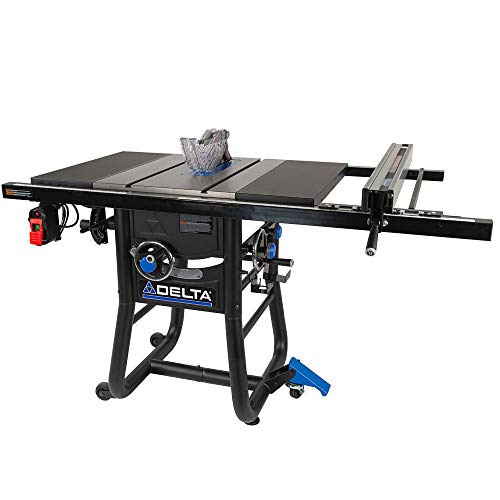
- Best for: Crews setting up once per project who want the 5000-series contractor platform and 30-inch rip.
- Product type stated in the title: contractor table saw
- Blade size stated in listing copy: 10 in.
- Rip capacity stated in the title: 30 inches
- Extensions stated in the title: steel extension wings

- Best for: Crew shops and finish work where blade-contact safety and fence accuracy are the top priorities.
- Product type stated in the title: contractor saw
- Blade size stated in the title: 10-inch
- Motor stated in the title: 1.75-HP
- Fence stated in the title: 36-inch Professional T-Glide fence system
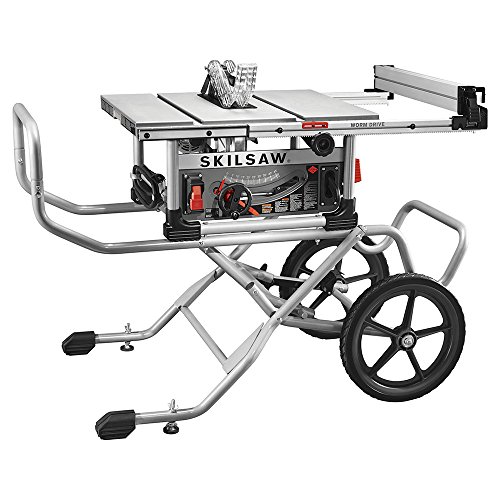
- Best for: Mobile framing and remodeling crews ripping dense or wet lumber on a different site each day.
- Product type stated in the title: heavy duty worm drive table saw with stand
- Blade size stated in the title: 10 inch
- Drive stated in the title: worm drive
- Included components stated on the listing: 24-tooth carbide blade, miter gauge, Smart Guard system including anti-kick back device, dust elbow, insert plate, push stick, wrench, rip fence
All 3 Picks at a Glance
| Product | Specs | Action |
|---|---|---|
| Delta 36-5000T2 |
| Check price on Amazon |
| SawStop CNS175-TGP236 |
| Check price on Amazon |
| SKILSAW SPT99-11 |
| Check price on Amazon |
Key takeaways
- Four contractor table saws chosen from their Amazon listings, compared by motor, rip capacity, fence and stand for durable daily site and shop work.
The real decision in a contractor table saw is whether the machine will still cut straight after months of being loaded into a truck, set up on uneven ground, fed damp framing lumber and sheet goods all day, and then asked for a clean cabinet cut the next morning. Motor stamina, fence accuracy that survives transport, rip capacity for full sheets, and a stand that does not wobble decide that outcome. A light saw that is easy to carry but drifts out of square costs a crew more time than a heavier saw that stays true.
This guide is for contractors, remodelers, and serious site carpenters who need that middle ground between a small jobsite saw and a fixed cabinet saw. Every model below was picked from the name and specifications stated on its own Amazon product page. Three are contractor saws in their own listing titles, and the fourth is a heavy-duty worm drive jobsite saw whose listing describes it that way, included for crews whose work moves daily and noted as such in its section.
Quick Picks
As an Amazon Associate we earn from qualifying purchases.
| Product | Best for | Key spec from title |
|---|---|---|
| Delta 36-725T2 | A fixed-base contractor saw for shop and site work | Contractor table saw with 30″ rip capacity and steel extension wing |
| Delta 36-5000T2 | Crews wanting the 5000-series contractor platform | Contractor table saw with 30″ rip capacity and steel extension wings |
| SawStop CNS175-TGP236 | Crews who put blade-contact safety first | 10-inch contractor saw, 1.75-HP, 36-inch Professional T-Glide fence |
| SKILSAW SPT99-11 | Daily-moving crews needing heavy-duty worm drive torque | 10 inch heavy duty worm drive table saw with stand |
How to Choose
Match Motor Power and Drive to the Material You Rip Most
A contractor saw earns its keep ripping, not crosscutting the occasional board. Think about your worst regular load: long rips in thick hardwood, pressure-treated lumber that is still wet, or sheet after sheet of plywood for subfloor and sheathing. The listings here centre on 1.75-HP contractor motors and 15-amp class machines, which is the right territory for sustained ripping, but drive type matters too. A worm drive design is built around torque for dense, wet stock, while a conventional contractor motor on a cast iron table favours smooth, steady work in a semi-fixed setup. Choose for the load that stalls lesser saws on your sites, not for the lightest board you cut.
Treat the Fence as the Accuracy of the Whole Saw
On site, the fence takes the knocks: it is what gets bumped in the truck, leaned on, and reset twenty times a day. A fence system that locks parallel to the blade and stays there decides whether your rips need a second pass or a tape-measure check every time. The listings here include a named professional T-Glide fence system on the SawStop and the established fence arrangements on the Delta contractor models. Whatever you choose, plan a simple routine: check fence-to-blade alignment at setup on each new site, because transport, not cutting, is what usually moves a contractor saw out of square.
Check Rip Capacity Against Full Sheets, Not Just Boards
Rip capacity decides whether one person can break down a full sheet on the saw or whether that job falls back to a circular saw and a straightedge. A stated 30-inch capacity, as on both Delta models here, covers ripping a sheet past halfway and handles most cabinet carcass and sheathing work. The SawStop listing states a 36-inch fence system, giving more room for wide panels. Measure against the work you actually bid: kitchen carcasses, built-ins, and deck framing all push width in different ways, and a few extra inches of rip capacity are cheaper than a second breakdown method on every job.
Weigh the Stand and Table Against How Often You Move
A cast iron table and steel extension wings give a stable, flat surface that resists the flex a busy crew will notice on long stock, but they also make a saw a two-person lift and a semi-permanent setup. A saw on its own rolling or folding stand gives that up in exchange for one-person moves between floors and sites. Be honest about your pattern: a saw that lives in a workshop or a job trailer for weeks suits the heavier contractor format, while a saw that changes address every morning needs the stand and drive built for travel, even if the table is smaller.
The 4 Best Options
Delta 36-725T2
The 36-725T2 is the clearest contractor-saw proposition in this guide: its own listing title calls it a contractor table saw with a 30-inch rip capacity and a steel extension wing. Listing copy describes a contractor-grade motor that handles hardwoods, a cast iron table top with steel extension wings for support on large stock, and a stacked dado capacity. That combination suits a remodeler or small crew whose saw lives in a shop or stays on one site for a whole project, ripping hardwood, cabinet parts, and sheet goods where a flat, heavy table and a wide rip are worth more than daily portability.
Specs
- Product type stated in the title: contractor table saw
- Rip capacity stated in the title: 30 inches
- Extension stated in the title: steel extension wing
- Motor described in the listing copy: contractor-grade motor, stated as 1.75 HP in listing copy
- Table described in listing copy: cast iron table top with steel extension wings
- Dado capacity stated in listing copy: 13/16 in. by 8 in. stacked dado capacity
- Stand described in listing copy: tubular stand
Best for: A semi-fixed base in a shop or long project, ripping hardwood and sheet goods daily.
Watch out for: This is a heavy contractor format, so plan on a two-person move and a proper setup and alignment check each time it changes site.
ASIN: B083XLLZPP
Delta 36-5000T2
- Best for: Crews setting up once per project who want the 5000-series contractor platform and 30-inch rip.
- Product type stated in the title: contractor table saw
- Blade size stated in listing copy: 10 in.
- Rip capacity stated in the title: 30 inches
- Extensions stated in the title: steel extension wings
Crews setting up once per project who want the 5000-series contractor platform and 30-inch rip.
Listing evidence for this model is thinner than for the 36-725T2, so confirm the current fence and stand configuration on the product page before ordering for a crew.
The 36-5000T2 sits in Delta’s 5000-series contractor line, and its listing title likewise calls it a contractor table saw with a 30-inch rip capacity and steel extension wings. It is the choice for a crew that wants the same basic contractor formula, a full-size table, wide rip, and wing support for long stock, from the heavier-duty series in the range. It fits crews who break down sheet goods and rip solid stock on extended jobs, where the saw is set up once and expected to hold its alignment for weeks.
SawStop CNS175-TGP236
- Best for: Crew shops and finish work where blade-contact safety and fence accuracy are the top priorities.
- Product type stated in the title: contractor saw
- Blade size stated in the title: 10-inch
- Motor stated in the title: 1.75-HP
- Fence stated in the title: 36-inch Professional T-Glide fence system
Crew shops and finish work where blade-contact safety and fence accuracy are the top priorities.
A contractor-format SawStop is a considered purchase and a heavy setup, so it suits a stable base far better than a saw that changes site every day.
The SawStop contractor saw is the safety-led choice, and its listing title is precise about what it is: a 10-inch contractor saw with a 1.75-HP motor and a 36-inch Professional T-Glide fence system. For a contractor running a crew, that combination answers two different risks at once: the fence system addresses daily accuracy on rips and panel work, and the SawStop name stands for the maker’s blade-contact safety approach, which matters when several operators of different experience share one saw. It suits shops and site crews doing sustained finish and cabinet work who want contractor capacity with the widest stated fence setup in this guide.
SKILSAW SPT99-11
- Best for: Mobile framing and remodeling crews ripping dense or wet lumber on a different site each day.
- Product type stated in the title: heavy duty worm drive table saw with stand
- Blade size stated in the title: 10 inch
- Drive stated in the title: worm drive
- Included components stated on the listing: 24-tooth carbide blade, miter gauge, Smart Guard system including anti-kick back device, dust elbow, insert plate, push stick, wrench, rip fence
Mobile framing and remodeling crews ripping dense or wet lumber on a different site each day.
As a heavy-duty jobsite design rather than a contractor saw, its table is smaller than the Delta and SawStop contractor models, so very wide, heavy stock needs more support.
This one is classified differently, and the distinction matters: its listing calls it a 10 inch heavy duty worm drive table saw with stand, not a contractor saw. It is included because many working contractors buy exactly this class of machine, a heavy-duty jobsite saw built around worm drive torque, for work that moves daily. The listing’s included components describe a complete working package with a carbide blade, rip fence, miter gauge, and guard system. It suits framing and remodeling crews ripping wet, dense lumber on changing sites, where torque and a stand that travels matter more than a cast iron table.
Which One Fits Your Situation
Your Saw Lives in the Shop or Stays on One Long Project
Choose one of the Delta contractor models. The 36-725T2 states the full contractor formula in its own listing, cast iron table, steel extension wing, and 30-inch rip, while the 36-5000T2 offers the same stated capacity from the 5000 series. Either gives a stable, flat platform that rewards a careful one-time setup. For a saw that will not move for weeks, that weight and table size are advantages, not drawbacks, and daily accuracy will hold better than on a saw built mainly to travel.
Several Operators of Mixed Experience Share One Saw
Choose the SawStop CNS175-TGP236. Its listing states the 1.75-HP contractor format and the 36-inch Professional T-Glide fence, and the SawStop approach to blade-contact safety is the deciding factor when trainees and experienced carpenters use the same machine. In a crew setting, one prevented injury outweighs small differences in rip capacity, and the wide fence still covers typical panel and cabinet work.
You Change Sites Daily and Rip Tough, Wet Lumber
Choose the SKILSAW SPT99-11, understanding its classification. It is a heavy-duty worm drive jobsite saw in its own listing, built for torque and travel rather than a fixed cast iron table. For framing and remodeling work that moves every morning, that trade is often the right one: the stand travels with the saw, and worm drive torque suits pressure-treated and dense stock. Just add outfeed support for long rips, since the table itself is smaller than the contractor models above.
You Break Down Full Sheets for Cabinets and Built-Ins
Look first at rip capacity and fence. The SawStop states a 36-inch fence system, the widest here, and both Delta models state 30 inches, which still rips a full sheet past halfway. Pair any of them with a sheet-handling routine and support the offcut. For regular cabinet work, the Delta and SawStop models give the table support repeated sheet work demands.
Common Mistakes
- Buying the lightest saw for daily contractor work, then losing more time to fence drift and flex than the easy carry ever saved.
- Skipping an alignment check after transport, even though loading, unloading, and rough site ground are what usually move a fence or blade out of square.
- Ripping full sheets without outfeed and side support, which binds the blade and ruins accuracy on any saw in this class.
- Ignoring dado and blade-change needs when specifying a crew saw, then discovering on site that the job needs tooling the setup does not cover.
- Treating a heavy-duty jobsite saw and a contractor saw as the same machine, when their tables, stands, and best working patterns are genuinely different.
Frequently Asked Questions
What makes a table saw a contractor saw?
Traditionally, a contractor saw is a full-size 10-inch saw with the motor and table built for sustained work, an open stand, and enough weight and rip capacity for site and shop use, sitting between a portable jobsite saw and a cabinet saw. The Delta and SawStop models here use the word contractor in their own listing titles. Heavy-duty jobsite saws are a neighbouring class: more mobile, usually on a rolling stand, and built to travel daily rather than to stay set up.
Is 1.75 HP or 15 amps enough for contractor work?
For the work most contractors rip daily, yes, provided the blade is sharp and suited to the material. That class of motor, as stated on the contractor listings here, handles hardwoods, framing lumber, and sheet goods in sustained use. It will labour sooner than a larger cabinet saw motor in very thick, dense stock, so feed rate matters. If your work is constant thick hardwood ripping all day, every day, that heavier class of saw is the honest next step up.
How important is rip capacity for a contracting crew?
It decides how sheet goods get broken down. A stated 30-inch capacity rips a full sheet past halfway and covers most carcass, sheathing, and built-in work in one setup. A 36-inch fence system gives more margin for wide panels. Below that, crews fall back on a track or circular saw for the first cut, which is workable but slower. Match the stated capacity to the widest rip in your typical bid, not to the widest rip you can imagine.
Should a crew choose safety features over power?
For a shared crew saw, safety deserves the first look. Several operators, changing sites, wet stock, and time pressure are exactly the conditions where a blade-contact safety system earns its place, which is why the SawStop contractor model leads that situation in this guide. Power still matters, and its listing states a full 1.75-HP contractor motor, so this is not a trade of safety for a weak saw.