Our Short List of 3
All 3 Picks at a Glance
| Product | Specs | Action |
|---|---|---|
 Zoeller 30-0181 PVC Check Valve | Check price on Amazon | |
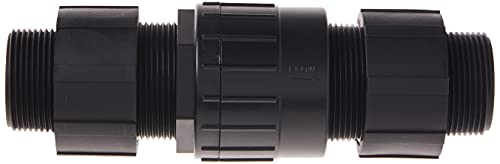 Superior Pump 99555 Universal Check Valve | Check price on Amazon | |
 Jackel DJ-545 Sump Check Valve | Check price on Amazon |
Key takeaways
- Find the best sump pump check valve for a quiet, reliable basement system. Compare four proven valves by size, material, connection type, and noise level.
The best sump pump check valve is the small fitting that keeps a basement dry between pump cycles. Every time a sump pump shuts off, the water standing in the vertical discharge pipe wants to fall straight back into the pit. Without a check valve, that water returns to the basin, the pump starts again sooner, and the whole system cycles far more often than it should. A good valve lets water flow out freely and then closes promptly, so the column of water stays in the pipe instead of draining back down.
Choosing the right valve is mostly a matter of fit and construction. Discharge pipes in most homes measure 1-1/4 inches or 1-1/2 inches, and the valve has to match the pipe on both sides. The body material decides how long the valve lasts in a damp pit, and the internal mechanism decides whether each pump cycle ends with a soft close or a loud slam that echoes through the house.
How a Sump Pump Check Valve Works
A check valve is a one-way gate. When the pump runs, water pressure pushes the internal flapper or gate open and water travels up the discharge pipe and out of the house. The moment the pump stops and pressure drops, gravity pulls the water in the pipe back down. That reverse flow pushes the flapper shut, sealing the pipe and holding the water column in place.
The seal does not need to be perfect to be useful, but it needs to close quickly. A slow-closing valve lets a noticeable amount of water slip back into the pit before it seals, which shortens the rest period between cycles. A valve that closes too abruptly can create a sharp bang, known as water hammer, as the moving column of water stops all at once. The better designs in this guide manage that trade-off with a shaped flapper or a spring-loaded gate that closes early, before reverse flow builds up speed.
Placement matters as much as the valve itself. Most installers put the check valve on the vertical section of discharge pipe, a short distance above the pump outlet. That position keeps the valve accessible for inspection and lets gravity help it close. A valve installed horizontally can still work, but the flapper relies on the spring or its own weight rather than gravity, so vertical mounting is the standard recommendation from pump makers. A small weep hole drilled in the pipe between the pump and the valve prevents air lock, and it should never be drilled in the valve body itself.
Check valves wear out. Rubber seals harden, flappers warp, and mineral deposits build up on the seat. A valve that starts to stick open shows up as a pump that runs in short, frequent bursts, while a valve that sticks shut is more serious: the pump runs but water cannot leave, and the pit can overflow.
What to Look For
Size and Fit
Start by measuring the discharge pipe. Most residential sump pumps use 1-1/4 inch or 1-1/2 inch pipe, and many valves are built to accept one of those sizes on each end. Universal designs use stepped adapters or flexible couplings that grip either size, which is handy when the pipe size is uncertain or when the pump outlet and the house plumbing do not match. A valve that is too small restricts flow and makes the pump work harder.
Valve Design and Noise
There are two common internal designs. A swing flapper hangs on a hinge and swings open with flow, then drops shut when flow stops. It is simple and durable, and it is the design used in most of the valves below. A spring-loaded gate uses a spring to push the gate closed the moment forward pressure falls, which closes the valve before reverse flow can pick up speed. Spring-loaded designs tend to run quieter because the gate meets the seat gently instead of slamming shut under the weight of the falling water column.
Noise is a real consideration when the sump pit sits under a bedroom or a living room. A standard swing valve can produce a distinct clunk at the end of every cycle, and in a quiet house at night that sound carries through the floor. Quiet designs shape the flapper path or add a spring so the closing action is gradual.
Material and Build
Check valve bodies are usually made from PVC or ABS plastic, sometimes with a clear section so the flapper can be seen moving. PVC handles the pressures in a sump discharge line with ease and resists corrosion in a damp pit. ABS is lighter and slightly more flexible, which suits valves that connect with flexible rubber couplings. Stainless steel clamps and fasteners are worth looking for, because ordinary steel hardware rusts quickly in the humid air above a sump pit and can seize when the valve eventually needs service.
Clear bodies have a practical advantage: the flapper and the seat are visible without taking anything apart, so it is easy to spot debris, scale, or a flapper that no longer sits flat. Opaque bodies are more common and generally a little sturdier, but they hide the early signs of wear.
Connection Type
The connection decides how the valve joins the pipe. Slip connections glue directly to PVC pipe with solvent cement and make a permanent, watertight joint. Threaded connections screw onto male or female pipe threads and can be taken apart later, which is useful when the valve needs replacement. Flexible rubber couplings with hose clamps slide over the pipe ends and tighten down, which is the most forgiving option for do-it-yourself installation because it tolerates small misalignments and mixed pipe materials.
Slip unions deserve a mention because they combine the best of both approaches. A union has a threaded collar that can be unscrewed to remove the valve body without cutting pipe, and that feature pays for itself the first time a valve needs cleaning or replacement.
Head Height and Flow
Every check valve adds a small amount of resistance to the discharge line, and pump makers account for that in their performance charts. The Zoeller valve below is listed for use with up to 10 feet of head at 4.3 PSI, which covers the lift in most single-story and two-story homes. Taller lifts benefit from a valve with a low-restriction flapper path, since a flapper that bends over a smooth radius instead of a sharp edge lets water pass with less turbulence.
Top Picks
Zoeller 30-0181 PVC Check Valve
The Zoeller 30-0181 is the valve most often recommended by pump installers, and the reason is its flapper design. Inside the ultrasonically welded PVC body, the flapper bends over a radius rather than hinging at a sharp corner. That curved path removes the hard edge that water would otherwise strike on its way through, so flow stays smooth and the valve closes without the abrupt stop that causes hammering in the pipe. The valve uses 1-1/2 inch slip by slip unions, which glue to standard PVC discharge pipe and can be unscrewed at the collar when the valve needs service.
Zoeller lists the 30-0181 for use with up to 10 feet of head at 4.3 PSI, which fits the lift in most residential basements. The union ends are a genuine convenience: replacing this valve later means loosening two collars instead of cutting pipe and re-gluing joints. The PVC body resists corrosion in a damp pit, and the welded construction has no gaskets at the body seams to fail.
Zoeller 30-0181 PVC Check Valve on Amazon
Campbell 0823-15C Quiet Check Valve
The Campbell 0823-15C, sold under the Brady name as the Quiet CLR1.5, takes a different approach to silence. Its clear PVC body houses a spring-loaded gate that closes the moment forward pressure drops, before reverse flow can build up and slam the gate against its seat. The clear body is more than a novelty: it lets a homeowner watch the gate move during a pump cycle and spot debris or wear without disconnecting anything. The valve connects with a 1-1/2 inch union in a slip by slip arrangement, so it fits the same PVC discharge lines as the Zoeller above.
Spring-loaded gates have one more advantage in systems that cycle often. Because the spring assists closing, the valve seals quickly even when the water column is short, which keeps short-cycling to a minimum. The trade-off is that springs and gates have more moving parts than a simple flapper, so keeping the valve free of grit matters. This valve suits homes where the sump pit sits below a bedroom or a quiet living space and every clunk at the end of a cycle is audible upstairs.
Campbell 0823-15C Quiet Check Valve on Amazon
Superior Pump 99555 Universal Check Valve
The Superior Pump 99555 is the universal option in this guide, and its appeal is simple: it fits either of the two common discharge sizes. The valve has 1-1/4 inch inner threads and 1-1/2 inch outer threads, so it screws onto male or female pipe threads in either size without an adapter. The body is ABS plastic, the seal is a Nitrile-Buna N ring, and the whole unit is compact enough to fit in a tight pit where a longer union-style valve would be awkward.
Threaded connections make this valve easy to remove and reinstall, which matters when a system is serviced seasonally or when a valve needs cleaning after a pit full of silt. The universal sizing also makes it a good spare to keep on the shelf: it covers both pipe sizes, so there is no need to guess which size a future repair will require. It is also the most compact pick, which helps in shallow pits where vertical space above the pump is limited.
Superior Pump 99555 Universal Check Valve on Amazon
Jackel DJ-545 Sump Check Valve
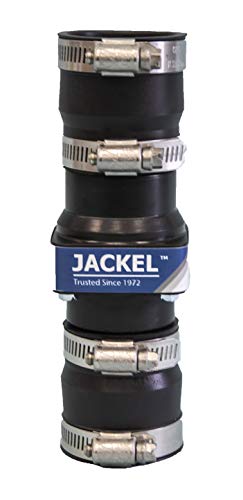
The Jackel DJ-545 has been in production since the mid-1970s, and Jackel reports more than 10 million of them installed. That long run comes from a simple, durable formula: a strong ABS body, flexible PVC adapters, and 301 stainless steel clamps and fasteners throughout. The adapters fit 1-1/4 inch or 1-1/2 inch black, galvanized, or DWV Schedule 40 pipe, so the valve works with the pipe materials found in older homes as well as new PVC installations. A flow arrow is molded into the body, which removes any guesswork about which way the valve should point.
The flexible adapters are the key feature here. They slide over the pipe ends and tighten down with the stainless clamps, which tolerates the small misalignments that are common when a pump sits slightly off-center in a pit. The valve measures 7.7 by 2.6 by 2.5 inches and weighs 9.6 ounces, so it adds little bulk to the discharge line.
Jackel DJ-545 Sump Check Valve on Amazon
Comparison at a Glance
| Valve | Size | Body Material | Connection | Best For |
|---|---|---|---|---|
| Zoeller 30-0181 | 1-1/2 inch | PVC | Slip x slip unions | Smooth flow and easy service |
| Campbell 0823-15C | 1-1/2 inch | Clear PVC | Slip x slip union | Quiet operation near living spaces |
| Superior Pump 99555 | 1-1/4 or 1-1/2 inch | ABS | Threaded MIP or FIP | Universal fit and tight pits |
| Jackel DJ-545 | 1-1/4 or 1-1/2 inch | ABS | Flexible PVC adapters | Older pipe and simple installation |
Installation and Maintenance Tips
Installing a check valve is a short job, but a few details decide whether it works quietly for years or causes trouble from the first cycle. Start by confirming the flow direction: every valve in this guide has an arrow or a marking that must point away from the pump and toward the discharge outlet. A valve installed backward blocks flow entirely, and the pump will run without moving water.
Mount the valve on the vertical section of pipe above the pump, leaving enough clearance to reach the clamps or union collars later. Drill a small weep hole in the pipe between the pump outlet and the valve, about an eighth of an inch wide, angled downward into the pit. That hole lets air escape so the pump does not air-lock, and it lets the short section of pipe below the valve drain back into the pit after each cycle. Never drill the hole in the valve body.
Support the discharge pipe so the weight of the water column does not hang on the valve or the pump outlet. A simple pipe strap fastened to a joist or wall stud above the valve carries that load. After installation, run the pump through several cycles and watch the valve: it should open smoothly, close with a soft sound rather than a bang, and hold the water column without a steady trickle back into the pit.
Frequently Asked Questions
Do I need a check valve on a sump pump?
Yes, in almost every residential installation. Without one, the water in the discharge pipe drains back into the pit each time the pump stops, so the pump restarts sooner and runs more cycles over its life. The valve also keeps the discharge line full, which means the pump reaches full flow faster on the next cycle. The only common exception is a system where the discharge line is very short and drains by gravity away from the house, and even then a valve does little harm.
Where should a sump pump check valve be installed?
On the vertical section of the discharge pipe, a short distance above the pump outlet. That placement lets gravity help the flapper close and keeps the valve easy to reach for inspection. Avoid installing the valve on a horizontal run when a vertical spot is available, because a horizontal flapper cannot use gravity and depends entirely on its spring or hinge. Keep the valve above the pit cover level when possible so it can be serviced without reaching into standing water.
Why is my sump pump check valve so loud?
The bang at the end of a cycle is water hammer: the moving column of water stops suddenly when the flapper slams shut. It is louder when the discharge line is long or the lift is high, because more water is in motion. A quiet check valve with a spring-loaded gate or a radius-shaped flapper closes before reverse flow builds up speed, which softens the stop. If a valve that was once quiet becomes loud, the flapper or gate may be worn, sticking, or coated with deposits, and replacement usually restores quiet operation.
How long does a sump pump check valve last?
Service life varies with water quality, cycle frequency, and material, but most residential valves give several years of service before the seal or flapper shows wear. Signs of a failing valve include a pump that cycles in short bursts, a loud clunk that was not there before, or water visibly trickling back into the pit after the pump stops. Because a valve is inexpensive relative to a pump, replacing it at the first sign of trouble is the practical move, and union or clamped connections make the swap a short job.
Conclusion
The best sump pump check valve for most homes is the one that matches the discharge pipe, closes quietly, and can be serviced without cutting pipe. The Zoeller 30-0181 covers the common 1-1/2 inch PVC line with a smooth-flow flapper and union ends that make future replacement simple. The Campbell 0823-15C adds a spring-loaded gate and a clear body for homes where silence matters and seeing the valve work is useful. The Superior Pump 99555 fits either pipe size with threaded connections, and the Jackel DJ-545 handles older pipe materials with flexible adapters and stainless hardware. Measure the pipe, match the connection, and confirm the flow arrow before tightening anything, and the sump system will cycle less often and run quieter for years.
Disclosure: As an Amazon Associate, grayj.co earns from qualifying purchases.